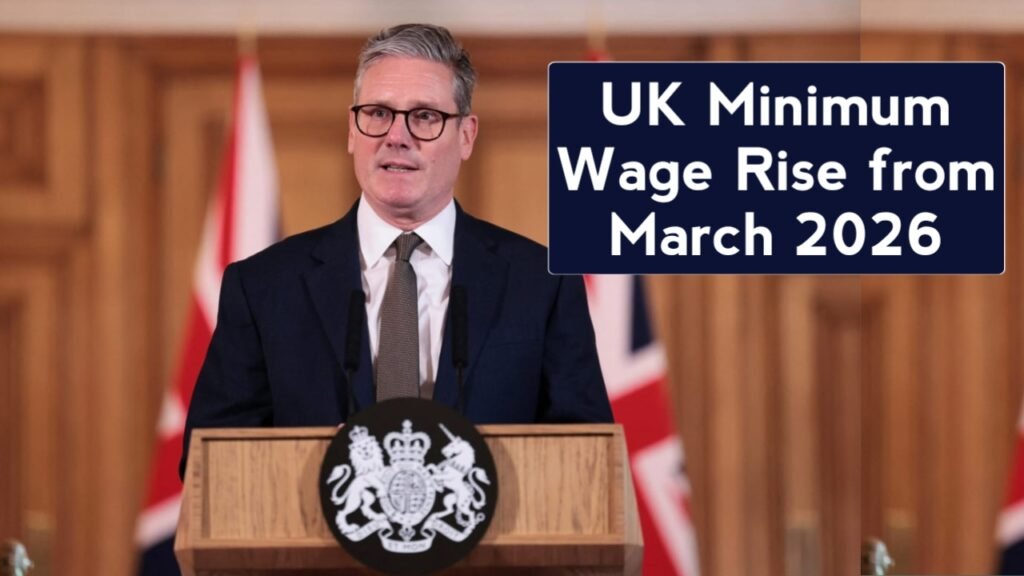
Hello Everyon, From March 2026, workers across the United Kingdom will see an increase in the legal minimum wage. The change, announced by the UK Government, aims to support workers facing rising living costs while ensuring fair pay across different industries. Minimum wage adjustments are reviewed regularly based on economic conditions, inflation, and labour market trends.
For millions of employees, particularly those in retail, hospitality, and entry-level roles, the update could mean a noticeable rise in their monthly income. However, the new rates will still depend on age groups, job types, and eligibility rules set under UK employment law.
What Is the UK Minimum Wage?
The UK minimum wage is the lowest amount employers are legally allowed to pay workers per hour. It ensures that employees receive a basic level of income for their work. The wage system includes several categories, including the National Minimum Wage and the National Living Wage.
The Low Pay Commission regularly reviews these rates and makes recommendations to the government. The aim is to balance worker protection with business sustainability. While employers can pay more than the minimum wage, paying less is illegal and can lead to penalties.
New Wage Rates for 2026
Starting March 2026, updated wage rates will apply across different age groups. These rates are designed to reflect economic changes and help workers maintain purchasing power in the current cost-of-living environment.
Workers aged 21 and above will continue to receive the highest minimum hourly pay, while younger workers and apprentices will have separate rates. These categories ensure that younger employees entering the workforce are protected while giving employers flexibility when hiring trainees.
Age-Based Wage Structure
The UK minimum wage system is structured by age groups. This approach recognises the different stages of employment experience and training needs.
For example, younger workers often start with entry-level roles where training and skill development are part of the job. As workers gain experience and reach higher age brackets, they become eligible for higher hourly pay rates under the National Living Wage framework.
This age-based structure has been part of UK employment policy for many years and is expected to remain in place with the 2026 wage update.
Key Minimum Wage Rates
The new minimum wage rates expected from March 2026 include several categories depending on age and employment status.
- Age 21 and over (National Living Wage): Highest legal hourly pay rate
- Age 18–20: Slightly lower than the National Living Wage but increased from the previous year
- Under 18: Entry-level rate designed for young workers
- Apprentices: Special rate for those in official apprenticeship programmes
These categories ensure fair compensation while allowing businesses to continue training and hiring younger workers entering the labour market.
Job Types That Benefit Most
Certain sectors in the UK workforce are more directly affected by minimum wage increases. Employees working in hourly wage roles usually experience the most noticeable changes.
Industries such as retail, hospitality, cleaning services, delivery, and care work rely heavily on minimum wage standards. Workers in these sectors may see higher weekly earnings once the new rates come into effect.
Small businesses may also adjust their pay structures to remain competitive in hiring. In many cases, companies already pay above the legal minimum to attract skilled staff and reduce employee turnover.
Who Is Eligible?
Not every worker automatically qualifies for the National Living Wage category. Eligibility depends mainly on age and employment status. Workers must also be legally classified as employees or workers under UK labour laws.
Those working part-time, full-time, or on temporary contracts generally qualify for minimum wage protections. However, self-employed individuals are not covered by minimum wage rules because they set their own rates for services.
Understanding eligibility is important because employers must apply the correct wage category to each worker to remain compliant with regulations.
Who Does Not Qualify
Although most employees are covered by minimum wage laws, a few groups may fall outside the standard rules.
- Self-employed contractors
- Volunteers or unpaid interns in certain situations
- Family members working in family businesses without formal employment contracts
- Members of the armed forces
These exceptions exist because the employment relationship differs from standard worker-employer arrangements. However, most UK workers in traditional jobs are fully protected by minimum wage legislation.
Impact on Workers
For many employees, the wage increase could mean a noticeable improvement in their financial stability. Even a small hourly increase can lead to higher monthly income, especially for workers with full-time schedules.
Higher minimum wages can also improve morale and job satisfaction. Workers often feel more valued when pay reflects economic realities such as inflation and rising living costs. For younger workers starting their careers, the new rates may also help cover education expenses, rent, or commuting costs.
Overall, the wage rise is expected to provide financial relief for millions of households across the UK.
Impact on Businesses
While workers benefit from higher wages, businesses must carefully manage the financial impact. Labour costs are one of the largest expenses for many companies, particularly in service industries.
Employers may need to adjust budgets, increase prices slightly, or improve operational efficiency to absorb the additional costs. Some businesses may also invest in staff training and productivity improvements to ensure the wage increase leads to better performance.
However, higher wages can also bring benefits for employers. Better pay often results in lower staff turnover, improved employee loyalty, and stronger workplace morale.
Government Enforcement
The HM Revenue & Customs is responsible for enforcing minimum wage laws in the UK. Employers who fail to pay the correct wage can face financial penalties and may be required to repay workers the money they are owed.
Authorities regularly investigate complaints and carry out inspections to ensure businesses follow wage regulations. Companies found breaking the law can also be publicly named by the government, which may damage their reputation.
Because of these enforcement measures, most employers take minimum wage compliance very seriously.
What Workers Should Do
Employees should always check their payslips to ensure they are receiving the correct hourly rate after the new wage rules take effect. If a worker believes they are being underpaid, they can raise the issue with their employer or seek advice from official government support services.
Workers may also contact advisory organisations for guidance on employment rights. Being aware of minimum wage entitlements helps employees protect themselves and ensures they receive fair compensation for their work.
Final Thoughts
The UK minimum wage increase scheduled for March 2026 represents an important step toward improving income for millions of workers. By adjusting pay levels to reflect economic conditions, the government aims to provide better financial security while maintaining a balanced labour market. Although businesses will need to adapt to higher labour costs, the overall goal is to support both employees and economic growth. For workers across the UK, understanding the new wage rates, eligibility rules, and their employment rights will be essential as the updated system comes into effect.